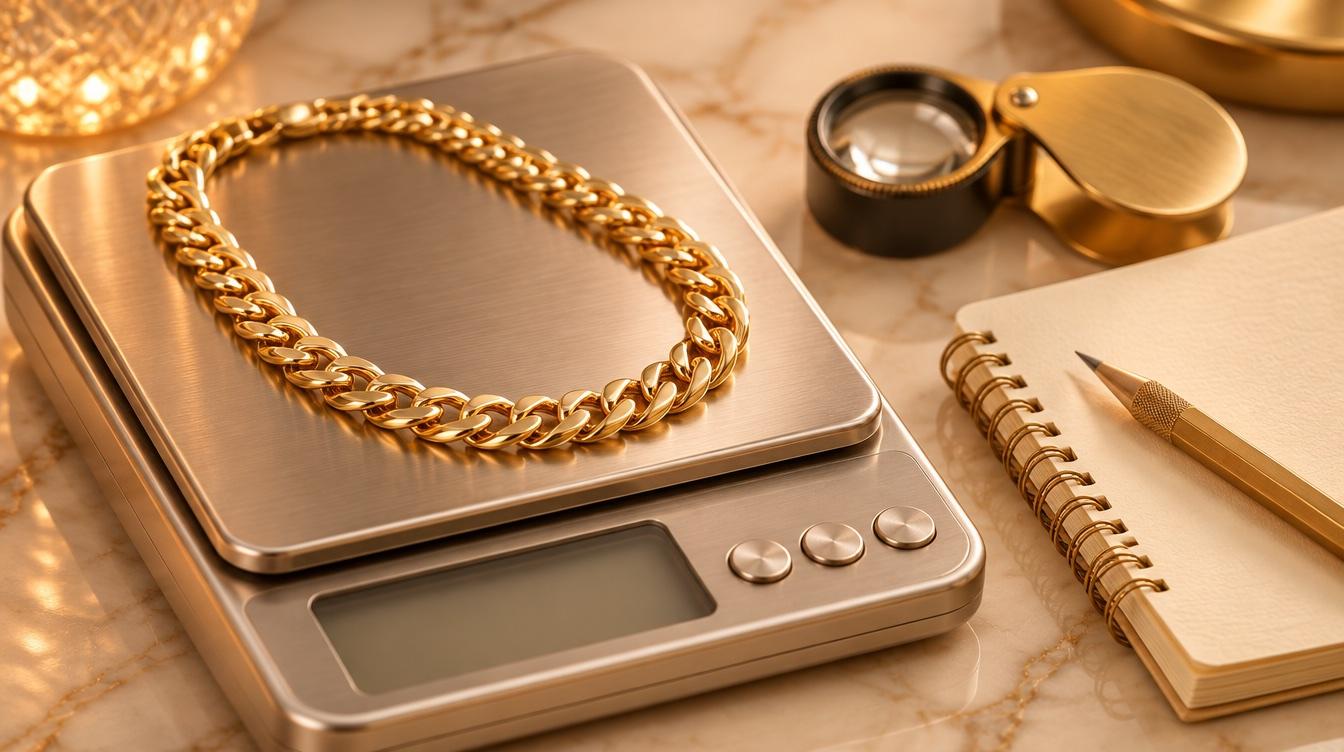
How to Manage Jewelry Store Inventory: A Practical Guide
How to identify each piece, which data to record, how often to count and which mistakes to avoid so you keep control of your gold, silver and stones.

In a jewelry store, inventory is the business. Every piece holds a lot of value in little space, metal prices change daily, and one unexplained difference can equal a month of profit. This guide covers how to keep it in order.
Why jewelry is not tracked like other retail
- Every piece is different. Two rings of the same model weigh differently, and that weight is part of their value.
- Value depends on the metal. Cost and price move with the market.
- The product is small and valuable, which makes mistakes and losses easier.
- Stock sits in several places: showcase, back room, workshop, consignment and displays.
A spreadsheet works at first, but it stops being reliable once several people sell. More on this in the Joyeros App vs. Excel comparison.
Step 1: identify every piece
Give each piece a unique code (SKU) and a tag. For one-of-a-kind or high-value pieces, that code identifies the individual item. For repeating products such as plain bands or studs, you can use one code per model and size.
A good code is short, readable and does not change when the price changes.
Step 2: record the data that matters
At a minimum, store for each piece:
- Code and description.
- Metal and purity (for example, 14k gold, .925 silver).
- Weight in grams, at the precision you normally use.
- Stones: type, count and carat weight if applicable.
- Purchase cost and supplier.
- Location (showcase, back room, workshop).
- Date received and a photo.
With weight and purity recorded, the system can calculate metal value and reprice when the market moves. That is what an inventory module for jewelry does.
Step 3: separate stock by location and status
A piece can be in a showcase, in repair, on layaway, on consignment or in the workshop. If everything sits in one figure, you do not know what you can sell today. Define clear statuses and move the piece each time it changes place.
Step 4: count regularly
- Daily or weekly showcase counts, quick and aimed at the highest-value pieces.
- Full counts, monthly or quarterly, including the back room and workshop.
- Blind counts: whoever counts does not see the expected quantity, so results are not adjusted without noticing.
Always compare piece by piece, not just the total. A shortage offset by a surplus is not a correct inventory.
Step 5: control stock in and out
Every movement should have a document:
- In: supplier purchase, customer return, workshop return.
- Out: sale, layaway, workshop transfer, return to supplier.
- Adjustments: loss, theft or error, always with a reason and a person responsible.
If every sale deducts stock automatically from the point of sale, your numbers stay current with no extra work.
Common mistakes
- Changing tags without updating the system.
- Not weighing goods on arrival and trusting the supplier's note.
- Mixing your own stock with consignment stock.
- Leaving workshop stock outside the system. That is where a lot of gold disappears; read our article on metal loss in the workshop.
- Adjusting differences without investigating the cause.
- Using a single value figure without considering that metal prices change.
Which indicators to review
- Turnover: how long each product family takes to sell.
- Pieces with no movement for more than six months.
- Inventory value at today's price, not historic cost.
- Differences between book inventory and physical count.
Frequently asked questions
How often should I count inventory? Partial counts should be frequent and the full count periodic. Frequency depends on the volume and value of your stock.
Do I need barcodes? They help a lot: they speed up selling and counting and reduce entry errors.
How do I handle consignment goods? Record them as third-party stock with their owner and terms so they do not get mixed up with yours.